
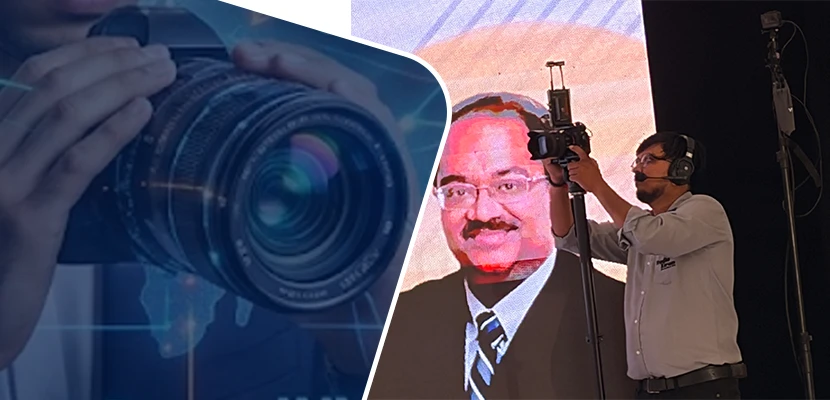
Turn Your Creative Vision into Powerful Visual Stories
A photograph can capture a moment, but professional photography goes much further. It involves understanding light, composition, space, lenses, visual aesthetics, technology and storytelling. In the world of films, advertising, digital media and visual content, professionals are expected not only to operate a camera but also to understand how every visual element contributes to the final story.
For graduates who are fascinated by cameras, filmmaking and visual communication, a structured Photography Course in Mumbai can provide an opportunity to develop creative and technical skills.
The Photography course at Aditya Centre of Excellence (ACE) is a nine-month program designed for graduates from any discipline. Its curriculum moves beyond basic photography and introduces learners to cinematography, lighting, digital imaging, visual composition, special effects and showreel development. The course page lists Director of Photography as the NSDC Qualification Pack/Job Role.
Photography Is More Than Taking Pictures
Modern photography is closely connected with filmmaking, advertising, social media, fashion, journalism, entertainment and digital communication.
A professional photographer or cinematographer may need to answer questions such as:
- How should the subject be framed?
- Which lens will create the desired visual effect?
- How should light fall on the subject?
- What mood should the scene communicate?
- How can movement be captured effectively?
- How can multiple visual elements work together?
- How should the final footage or image be presented?
These questions demonstrate why photography education involves both technical knowledge and creative decision-making.
Explore Photography and Cinematography at ACE
The ACE Photography program has a strong emphasis on visual storytelling and cinematography. According to the official course page, the curriculum includes subjects ranging from Art and Images and Light and Composition to Cinematographic Lens and Images, Digital Imaging Techniques, Mise-en-Scene, Animation and Special Effects, and Showreel.
This creates a learning pathway that connects still imagery with motion-picture production.
Course Snapshot
|
Course Feature |
Details |
|
Course |
Photography |
|
Duration |
9 Months |
|
Eligibility |
Any Graduate |
|
Learning Mode |
Hybrid – Online + Offline |
|
Listed NSDC Job Role |
Director of Photography |
|
Listed Fee |
?52,000 |
|
Location |
Borivali West, Mumbai |
The course page also states that students without a previous background in cinema or photography can apply.
What Can You Learn During the Course?
1. Art and Images
Great visual work begins with understanding images as a form of communication.
The course introduces learners to the relationship between art and imagery, helping them think about photographs not merely as technical outputs but as creative compositions.
2. Space, Light and Images
Light can completely change the appearance and emotional quality of an image.
Learning about the relationship between space and light helps aspiring photographers understand how positioning, illumination and surroundings influence visual results.
3. Light and Composition
Composition determines how different elements are arranged within a frame.
Students can explore how light and composition work together to direct attention and create visually meaningful images.
4. Cinematographic Lenses
Different lenses can produce different perspectives, depths and visual effects.
Understanding lenses is particularly important for learners interested in moving from conventional photography toward cinematography and filmmaking.
5. Imaging Craft
Photography combines equipment, technique and artistic judgment.
The ACE curriculum includes the Application of Imaging Craft, giving learners exposure to the practical side of creating visual material.
6. Imaging and Lighting Techniques
Professional visual production requires more than simply pointing a camera at a subject.
Students are introduced to imaging and lighting techniques that can help them understand how visual environments are created and controlled.
7. Cinematography Techniques
Cinematography is the visual language of motion pictures.
The course includes Techniques of Cinematography, allowing learners to explore how cameras, lenses, lighting and composition contribute to moving-image storytelling.
8. Analogue to Digital Images
Photography has undergone a major technological transformation.
Understanding the movement from analogue imaging to digital photography provides learners with context about how imaging technology has evolved.
9. Mood Lighting
Lighting can establish atmosphere and emotion.
Mood lighting is particularly relevant to film, advertising, fashion photography and other forms of visual storytelling where the desired emotional response is an important part of the creative process.
10. Digital Imaging Techniques
Modern photographers work extensively with digital tools.
Learning digital imaging techniques can help students understand contemporary photography workflows and the possibilities offered by digital technology.
11. Mise-en-Scene
Mise-en-scène refers broadly to the arrangement of visual elements within a scene.
It can involve aspects such as setting, lighting, props, costumes and positioning. Understanding these elements can help aspiring cinematographers think about the entire frame rather than focusing exclusively on the camera.
12. Animation and Special Effects
The curriculum also introduces students to Animation and Special Effects, expanding the learning experience beyond conventional photography.
13. Showreel Development
A showreel can provide a visual representation of a creative professional's work.
Including a showreel component in the course gives learners an opportunity to bring together selected work and demonstrate their developing visual style.
The Director of Photography: Understanding the Role
One of the most interesting aspects of the ACE Photography course is its connection with the Director of Photography (DP) role.
A DP or cinematographer is responsible for the visual approach to a cinematic production. The ACE course page states that the role involves determining the visual style, finalizing locations and equipment, guiding camera-crew efforts and collaborating with lighting and grip teams to achieve the desired look.
This means the role combines:
Creative Vision + Camera Knowledge + Lighting + Team Coordination + Visual Storytelling
For students who are interested in filmmaking rather than still photography alone, this broader perspective can be particularly valuable.
Why Lighting Is So Important
Imagine photographing the same subject under three different lighting conditions.
The subject remains the same, but the image can feel completely different.
Soft lighting may create a gentle atmosphere. Strong directional lighting can create dramatic shadows. Carefully controlled colour and intensity can establish a particular mood.
This is why lighting is one of the most important skills for photographers and cinematographers.
The ACE curriculum gives lighting significant attention through areas such as Light and Composition, Light and Imaging Techniques, Mood Lighting and Space, Light and Images.
Building a Visual Story
Photography becomes especially powerful when individual images communicate something meaningful.
Visual storytelling can be used across:
- Films
- Advertisements
- Fashion campaigns
- Music videos
- Social media
- Documentaries
- Events
- Digital content
- Commercial photography
A technically perfect image may still fail to communicate if it lacks purpose. Developing the ability to combine composition, lighting, subject, setting and emotion can help photographers create stronger visual narratives.
Who Can Apply for the Photography Course?
ACE lists any graduate as eligible for the Photography course. The official FAQ also states that previous experience in cinema or photography is not required.
The program can therefore be considered by:
- Graduates interested in photography
- Aspiring cinematographers
- Creative professionals seeking new skills
- Beginners interested in filmmaking
- Content creators
- Photography enthusiasts
- Individuals interested in visual storytelling
- Graduates considering careers in media and entertainment
Students do not necessarily need to come from a film or arts background to begin exploring photography through this program.
Career Paths After Photography Education
Photography and cinematography skills can be applied across several creative industries.
The ACE course page mentions potential roles such as:
- Director of Photography
- Cameraman
- Editor
- Cinematographer
- Videographer
- Freelance Photographer
Actual career opportunities can depend on portfolio quality, practical experience, specialization, networking and the requirements of individual employers or clients.
Why Study Photography in Mumbai?
Mumbai has a strong connection with India's entertainment, media and advertising industries.
For someone interested in photography and cinematography, studying in Mumbai can provide a relevant urban environment in which to explore visual storytelling and creative production.
ACE is located at Aditya Educational Campus, R. M. Bhattad Road, Ram Nagar, Borivali-West, Mumbai 400092.
The location is one factor students can consider alongside curriculum, learning format, eligibility, fees and career objectives.
Hybrid Learning at ACE
The Photography course is described as being conducted in hybrid mode, combining online and offline classes. According to ACE, this format allows students to interact with instructors in class while also using technology for learning.
For students balancing education with other commitments, a hybrid format can offer a combination of classroom interaction and digital learning.
Creating a Strong Photography Portfolio
One of the most important assets for a creative professional is a portfolio.
Instead of simply listing photography skills on a résumé, a portfolio allows potential employers or clients to see the learner's actual visual work.
Students can gradually develop portfolios around different areas, such as:
- Portrait photography
- Product photography
- Fashion photography
- Street photography
- Events
- Landscapes
- Short films
- Cinematic sequences
- Creative visual experiments
A portfolio can also reveal a photographer's individual style and areas of specialization.
The Importance of Visual Creativity and Technology
Photography sits at an interesting intersection between art and technology.
The artistic side involves imagination, composition, storytelling and aesthetics. The technical side involves cameras, lenses, lighting, digital imaging and post-production.
Modern visual professionals need to understand both.
The ACE curriculum reflects this combination by covering artistic concepts alongside cinematography, digital imaging, animation, special effects and equipment-related knowledge.
Frequently Asked Questions
What is the duration of the Photography course at ACE?
The Photography course is 9 months long.
Who is eligible for the course?
The course page states that any graduate can apply.
Do I need previous photography experience?
No. ACE's FAQ states that a previous background in cinema or photography is not necessary.
Is the course available online?
The course is offered in hybrid mode, combining online and offline classes.
What subjects are covered?
The curriculum includes Art and Images, Space/Light and Images, Light and Composition, Cinematographic Lens and Images, Imaging Craft, Cinematography Techniques, Mood Lighting, Digital Imaging Techniques, Mise-en-Scene, Animation and Special Effects, and Showreel, among other topics.
What job role is listed for the course?
The official page lists Director of Photography as the NSDC Qualification Pack/Job Role.
What career options can photography students explore?
ACE mentions roles including Director of Photography, Cameraman, Editor, Cinematographer, Videographer and Freelance Photographer.
Conclusion
Photography has evolved from simply recording moments into a sophisticated form of visual communication. Today, photographers and cinematographers work across films, advertising, fashion, digital media, entertainment and commercial content.
The Photography course at Aditya Centre of Excellence (ACE), Mumbai offers a nine-month learning pathway for graduates, combining photography with cinematography, lighting, composition, digital imaging, visual aesthetics, special effects and showreel development. The course is delivered in hybrid mode and lists Director of Photography as its NSDC Qualification Pack/Job Role.
For graduates who want to transform their interest in cameras and visual storytelling into structured professional skills, photography education can be the beginning of a creative journey one frame, one idea and one story at a time.